

What Is Flexible Stone? Uses, Benefits, Applications, and Buying Guide
Flexible stone is a lightweight decorative surface material designed to bring stone-like texture to walls, facades, curved structures, and renovation projects where traditional stone slabs may be too heavy or difficult to install. It is often used by architects, contractors, distributors, and project procurement teams who need a material that combines natural visual depth with easier handling.
Unlike conventional stone cladding, flexible stone is not selected only for appearance. Its real value lies in how it supports curved surfaces, fast renovation, lower structural load, and more adaptable project installation. For B2B buyers, understanding its composition, limitations, applications, and supplier requirements is essential before specifying it for a commercial or architectural project.
What Is Flexible Stone and What Is It Made Of
Flexible stone is a thin, bendable architectural surface material that provides the look and texture of stone while remaining easier to cut, transport, and install than many traditional stone products. It may also be called flexible stone veneer, soft stone, flexible stone panels, or MCM soft stone, depending on the supplier and material system.
Definition of Flexible Stone
In general, flexible stone is designed for decorative cladding rather than heavy structural use. It can be applied to flat walls, curved columns, arc surfaces, ceilings, feature walls, exterior facades, and renovation surfaces where thick stone panels would require more complex installation.
The word “flexible” does not mean the material behaves like fabric. It means the panel can adapt to certain curved or special shaped surfaces within the bending range allowed by its thickness, backing, and manufacturing process. For project use, the exact bending radius, installation method, and substrate requirements should always be confirmed with the supplier’s product data.
Common Materials and Composition
Flexible stone can be made through different material systems. Some products use a thin layer of natural stone veneer bonded to a flexible backing, while others use mineral-based composites that reproduce stone texture through natural sand, stone powder, quartz sand, pigments, and environmentally friendly binders.
WAYON STONE’s flexible stone is based on natural sand, stone powder, quartz sand, and eco-friendly emulsion, with an inorganic material system and composite forming process. Its product range includes thin decorative panels with common thickness options from 2–8mm, while specific size, color, texture, and performance details should be checked according to the selected product series and project requirements.
Main Types of Flexible Stone
Flexible stone is available in different visual systems, allowing designers to match natural stone effects, flowing textures, or more handcrafted decorative surfaces. These types are mainly distinguished by surface expression, design language, and application direction.
Stone Mimic Flexible Stone
Stone Mimic flexible stone focuses on reproducing natural stone textures in a thinner and more adaptable panel form. It is suitable for projects that need the visual impression of stone on walls, commercial interiors, facades, reception areas, and renovation surfaces without using heavy stone slabs.
This type is useful when the design goal is to create a stone-like architectural surface while improving installation flexibility. It can work well in retail stores, hotels, office lobbies, residential feature walls, and public areas where surface consistency and easier site handling matter.
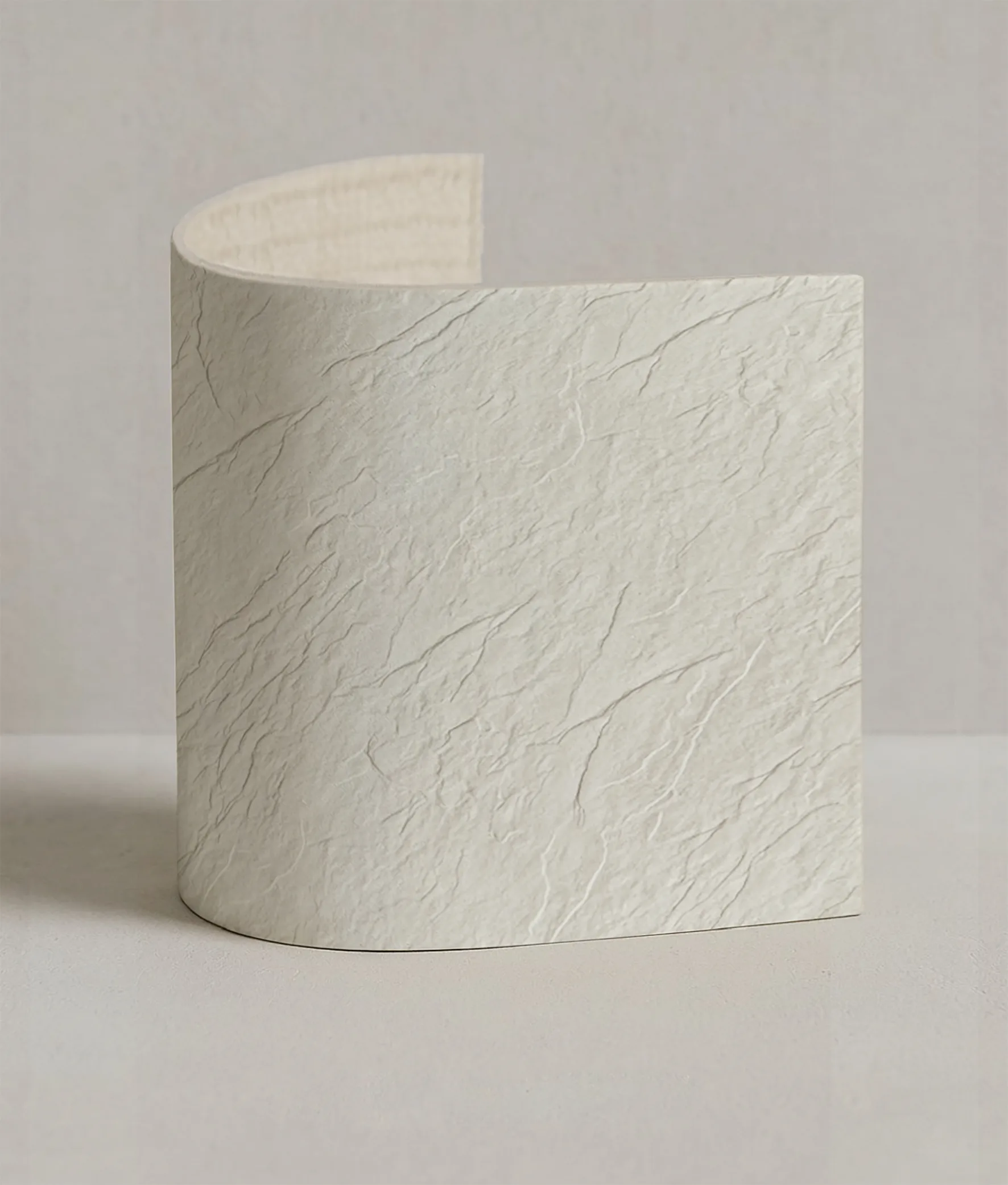
WAYON Stone Mimic Flexible Stone, MC8012 Slate
VeinFlow Flexible Stone
VeinFlow flexible stone is more suitable for projects that need flowing lines, directional texture, or a stronger decorative surface. It can help create movement on walls, curved surfaces, and feature areas where the material is expected to become part of the spatial identity.
For hotel corridors, exhibition halls, cultural spaces, and commercial feature walls, this type of flexible stone can give designers more freedom than standard flat stone panels. The visual result depends on panel layout, joint control, lighting, and the direction of texture installation.
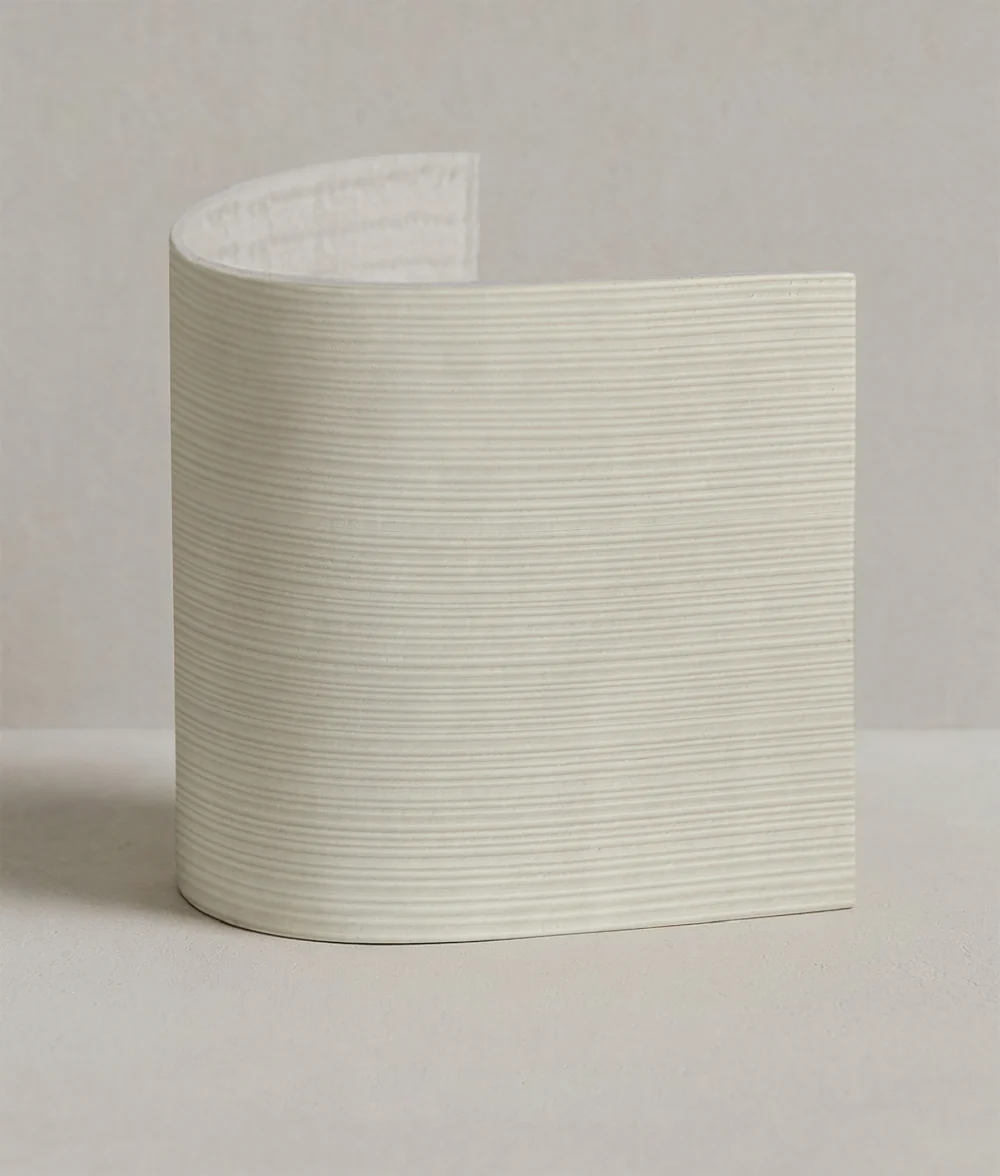
WAYON VeinFlow Flexible Stone, MC8062 New Line Stone
Artisan Craft Flexible Stone
Artisan Craft flexible stone is designed for more expressive and handcrafted surface effects. It is suitable for cultural tourism projects, themed commercial spaces, restaurants, showrooms, and interiors where the wall surface needs to feel more tactile and distinctive.
This type is not only about imitating natural stone. It can also support a more artistic material language, especially where designers want texture, depth, and character without relying on thick masonry or heavy cladding systems.
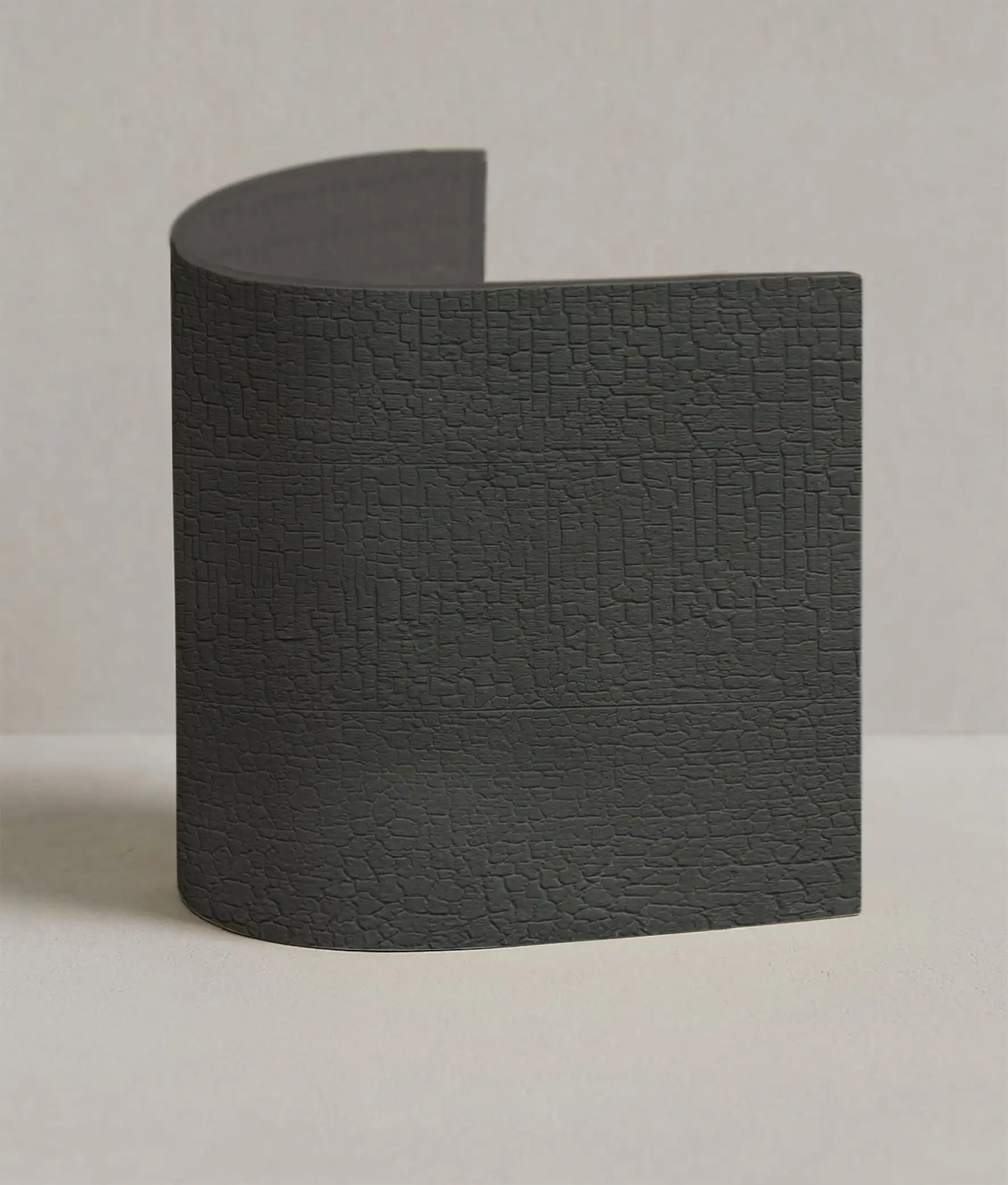
WAYON Artisan Craft Flexible Stone, MC6045 Charcoal Burnt Wood
Key Benefits of Flexible Stone
The value of flexible stone comes from how it changes installation, structural load, design freedom, and renovation efficiency. Its advantages become most meaningful when connected to real project conditions.
The first benefit is significantly reduced weight and thickness. Flexible stone is typically only 2–8 mm thick and can be up to 70% lighter than traditional natural stone slabs or thick cladding materials. This lower mass reduces pressure on the wall structure, simplifies transportation and handling, and makes installation far more manageable—especially in renovation projects, high-rise interiors, or any situation where structural load is a concern.
The second benefit is design adaptability. Because flexible stone can conform to curved columns, arc walls, and other special-shaped surfaces, it greatly reduces the need for complex stone cutting or heavy custom fabrication. This is particularly valuable in commercial interiors, hospitality spaces, exhibition areas, and architectural renovation projects where flat panels cannot fully achieve the intended design.
The third benefit is renovation efficiency and reduced labor time. Flexible stone can often be applied directly over prepared existing surfaces (depending on substrate condition and installation method). For old-building renovations, retail upgrades, hotel refurbishments, and fast commercial fit-outs, this approach minimizes demolition, shortens the decorative surface installation process, and lowers overall labor requirements on site.
Common Applications of Flexible Stone
Flexible stone is mainly used where lightweight cladding, curved surfaces, and fast renovation are important. Its applications should be selected according to environmental conditions, installation system, and long-term maintenance needs.
Interior Walls and Feature Surfaces
Interior walls are one of the most common applications for flexible stone. It can be used for hotel lobbies, office reception areas, retail walls, residential feature walls, elevator halls, restaurants, showrooms, ceilings, and background surfaces.
For interior designers, the material offers a way to create stone-like texture without the weight and installation complexity of conventional slabs. For contractors, it can help simplify cutting, handling, and installation on large wall areas, especially when the project includes curved or irregular surfaces.
Exterior Facades and Renovation Projects
Flexible stone can also be used for exterior facades and building renovation, but outdoor use requires more careful technical confirmation. Buyers should check weather resistance, waterproof treatment, UV stability, adhesive compatibility, substrate condition, and joint sealing before using it on external walls.
In facade renovation and old building upgrades, flexible stone can help refresh surface appearance without adding excessive load. This makes it suitable for commercial buildings, cultural tourism projects, exterior decorative walls, and some lightweight architectural facade systems, provided that the selected product and installation method are approved for the intended environment.
Curved Columns and Special Shaped Structures
Curved columns, arc walls, and special shaped structures are important use cases for flexible stone. Traditional stone often requires complicated cutting, segmented installation, or customized fabrication for these areas, while flexible stone can adapt more easily to certain curved forms.
This advantage is valuable in hotels, shopping malls, exhibition spaces, public buildings, and themed commercial interiors. The project team still needs to confirm minimum bending radius, panel size, adhesive system, edge treatment, and installation sequence before construction.
Flexible Stone vs Traditional Stone Veneer
Flexible stone and traditional stone veneer are not direct replacements in every situation. They serve different project needs, and the right choice depends on design intent, structural conditions, budget, installation environment, and performance requirements.
Flexible stone is usually better suited for lightweight wall cladding, curved surfaces, renovation projects, and decorative areas where easier handling matters. Traditional stone veneer may be preferred when the project requires thicker natural stone texture, high impact resistance, countertop use, stair components, or a more solid masonry feeling.
For procurement teams comparing options, the decision should not be based only on price or appearance. It is more practical to compare total installation complexity, transportation cost, wall load, cutting waste, maintenance needs, and whether the supplier can support project scale. Buyers can also review this guide to flexible stone manufacturers when evaluating supplier choices.
Limitations and Project Considerations
Professional buyers should understand substrate, installation, sealing, and environmental limits before specifying flexible stone. Like any architectural surface material, flexible stone performs best when it is used in the right environment with the right installation system.
The substrate should be flat, stable, clean, and suitable for bonding. If the wall surface is dusty, uneven, wet, cracked, or structurally unstable, the finished surface may be affected. For large commercial areas, mock-up testing is recommended before full installation.
Outdoor or high-moisture applications need extra attention. Waterproofing, joint treatment, surface protection, adhesive selection, and local building requirements should be reviewed before installation. If the project involves fire rating, exterior facade regulations, or public building standards, the buyer should request product documentation from the supplier rather than relying on general descriptions.
Color and texture variation should also be managed early. Since flexible stone is often designed to imitate natural mineral textures, samples, panel layout, batch range, and installation direction should be confirmed before bulk production.
How to Choose Flexible Stone for a Project
Selection should connect design intent, technical conditions, installation method, and supplier project support. A good choice is not simply the most attractive texture, but the material that fits the project’s environment and construction process.
Before placing an order, B2B buyers should confirm these points:
- Application area, such as interior wall, exterior facade, ceiling, column, or renovation surface
- Product thickness, panel size, texture direction, color range, and bending requirements
- Substrate condition, adhesive system, joint treatment, sealing method, and maintenance plan
- Supplier ability to provide samples, technical data, customization, packaging, and bulk delivery support
For global projects, it is also important to evaluate whether the supplier understands export packaging, project documentation, fabrication coordination, and communication with designers or contractors. This is especially relevant for distributors, hotel project buyers, and commercial procurement teams sourcing flexible stone across regions.
How to Choose the Right Flexible Stone Supplier?
Choosing the right flexible stone supplier is essential for ensuring product quality, stable supply, and project success.
For B2B buyers, key factors to evaluate include:
- Product samples and technical specifications
- Customization capabilities (OEM / project-based design)
- Production capacity and bulk supply stability
- Packaging and international shipping experience
- Experience in commercial or architectural projects
A reliable manufacturer not only supplies materials but also supports project execution, from design coordination to installation guidance.
Flexible Stone Solutions from Wayon Stone
WAYON STONE supports flexible stone manufacturing and fabrication for commercial, renovation, hospitality, and architectural projects. As a stone manufacturer and one-stop stone solution supplier, Wayon provides flexible stone products for walls, facades, curved surfaces, special shaped structures, and project-based decorative applications.
The company’s flexible stone range includes stone imitation surfaces, 3D slab effects, rammed earth style panels, and other decorative textures for commercial buildings, cultural tourism projects, old building renovation, interior special shaped walls, exterior renovation, and customized architectural spaces. Buyers can learn more through Wayon’s flexible stone manufacturer for global projects article when evaluating supplier capability and project suitability.
Frequently Asked Questions About Flexible Stone
What is flexible stone used for?
Flexible stone is used for decorative wall cladding, exterior renovation, curved columns, ceilings, feature walls, hotel interiors, retail spaces, showrooms, and commercial projects. It is especially useful when a project needs stone-like texture with lighter weight, easier installation, and better adaptability to curved or special shaped surfaces.
Is flexible stone real stone?
It depends on the product type. Some flexible stone products use a thin layer of natural stone bonded to a flexible backing, while others are mineral-based composite materials made with stone powder, quartz sand, natural sand, and binders. Buyers should check the supplier’s composition details before specification.
Can flexible stone be used outdoors?
Flexible stone can be used in some outdoor applications, including facade renovation and exterior decorative walls, if the product and installation system are suitable. Buyers should confirm weather resistance, waterproofing, UV stability, adhesive compatibility, sealing method, and local building requirements before using it outdoors.
Is flexible stone waterproof?
Flexible stone may have water-resistant properties, but waterproof performance depends on the full installation system. Surface treatment, joints, edges, adhesive, substrate, and sealing all affect the final result. For bathrooms, exterior walls, or humid spaces, project teams should request technical guidance from the supplier.
Can flexible stone be installed on curved walls?
Yes, curved walls and columns are among the main advantages of flexible stone. Its thin and bendable structure allows it to adapt to certain curved surfaces. The minimum bending radius, thickness, panel size, and installation method should be confirmed before construction.
How do B2B buyers choose a flexible stone supplier?
B2B buyers should look for suppliers that offer consistent product quality, customization options, reliable bulk supply, and experience in international projects. Technical support and export coordination are also important factors.
Conclusion
Flexible stone is a practical architectural surface material for projects that need stone-like texture, lighter weight, design flexibility, and easier installation on flat or curved surfaces. It is useful for interiors, facades, renovations, hospitality spaces, and commercial projects, but it should be selected with technical care. Before procurement, buyers should confirm composition, thickness, size, application environment, substrate condition, installation system, and supplier support.