

How to Import Terrazzo Stone from China
As global demand for premium architectural surfaces continues to rise, more architects, developers, contractors, and wholesalers are turning to China for high-quality terrazzo solutions. Buyers must understand material standards, manufacturing capabilities, logistics planning, quality verification, and project fabrication requirements before placing an order.
This guide explains the complete 2026 terrazzo sourcing process and shows how to avoid common procurement risks while selecting the right long-term manufacturing partner.
A Quick Guide to Terrazzo Types
Terrazzo is a versatile and timeless material made from various aggregates such as marble, glass, metal, or mother-of-pearl. However, not all terrazzo is created equal.
Traditional Cementitious Terrazzo
This is the classic poured-in-place method using a cement binder. While it is structurally stable, the installation is highly time-consuming. It requires tedious on-site pouring, curing, and extensive grinding, and the final quality heavily depends on the workers' manual craftsmanship.
Epoxy Terrazzo
Epoxy terrazzo uses organic resins as a binder, offering a lightweight structure, vibrant colors, and design flexibility. However, it is strictly limited to indoor applications.
Modern Pre-cast Inorganic Terrazzo
This is the industry's latest high-tech, eco-friendly solution, pioneered by leading manufacturers such as Wayon Stone. It bonds natural stone aggregates with an eco-friendly inorganic adhesive, which is shaped through advanced high-frequency, high-pressure forming.
- Safe & UV-Stable
- Efficient Installation
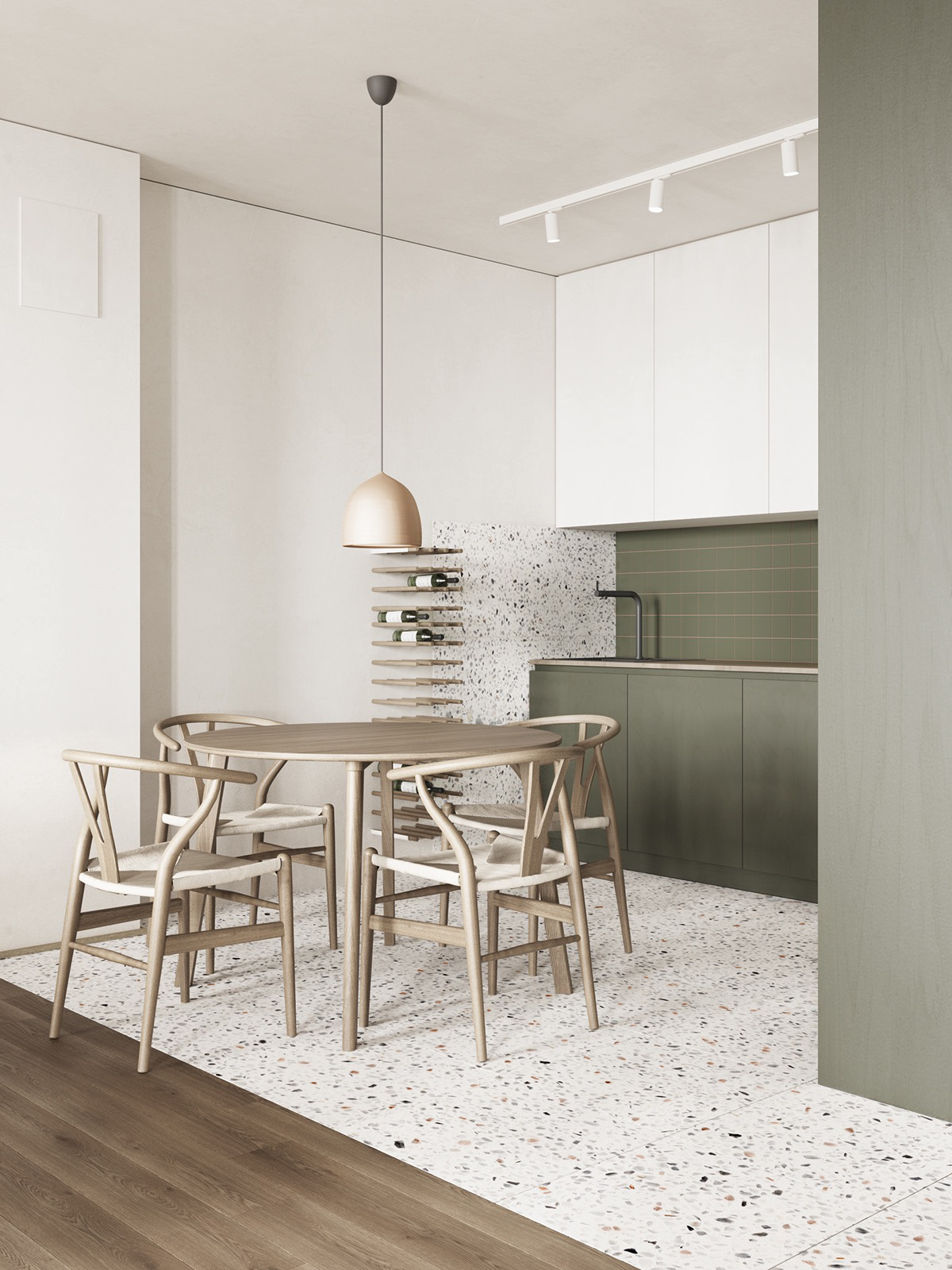
URL: https://www.wayon.com/product/wt242-roman-pink-white-high-performance-inorganic-stone.html#ProductCase-1
Understand the 2026 Terrazzo Standard Before You Source
In recent years, traditional on-site poured terrazzo and epoxy-based systems have been gradually replaced by precast inorganic terrazzo slabs in large-scale architectural projects. This shift is driven by performance requirements, sustainability standards, fire safety regulations, and construction efficiency.
Why Pre-Cast Inorganic Terrazzo Is Becoming the Industry Standard
Modern precast terrazzo slabs are manufactured in factories under controlled pressure and vibration systems. Compared with traditional site-poured terrazzo, this method delivers greater dimensional consistency, improved physical performance, and faster installation.
Improved Fire Safety and Environmental Performance
Unlike epoxy terrazzo systems, which contain organic resin components, inorganic terrazzo is manufactured with natural stone aggregates and inorganic binders. This makes the material non-flammable and suitable for projects requiring strict fire-safety compliance and green-building certification.
Suitable for Both Indoor and Outdoor Applications
One major limitation of epoxy terrazzo is UV instability. Prolonged sun exposure can cause discoloration and yellowing over time. Inorganic terrazzo solves this problem with superior UV resistance, allowing architects to use the same material across interior floors, exterior facades, landscape walls, staircases, and outdoor public areas.
Four Essential Steps to Import Terrazzo from China
Successfully importing terrazzo requires a structured procurement process. Buyers who follow a systematic approach can significantly reduce sourcing risks and avoid costly project delays.
Step 1. Identify the Right Manufacturing Regions
China has several major centers for stone and architectural-surface manufacturing, but two regions dominate terrazzo production.
Foshan
Located in Guangdong Province, Foshan is widely recognized as one of China's largest hubs for ceramic and engineered stone manufacturing. It offers strong supply chain integration, mature export infrastructure, and advanced fabrication technology. Many advanced terrazzo factories, processing centers, and export companies are concentrated in this region.
Yunfu
Yunfu is known as the artificial stone capital of China. The city has decades of experience in stone processing and large-scale slab production. Many terrazzo manufacturers source aggregates and produce primary slabs in Yunfu before deep processing and export preparation.
Choosing suppliers located within these established industrial clusters provides buyers with better technical support, more stable production quality, and stronger logistics efficiency.
Step 2. Request Samples and Verify Specifications
Never rely solely on digital catalogs or edited showroom photos.
Before confirming bulk production, buyers should request physical samples to evaluate the following factors:
- Surface finish consistency
- Color uniformity
- Aggregate distribution
- Thickness tolerance
- Edge quality
- Polishing performance
- Structural density
For large commercial projects, mockup approval is highly recommended. Professional buyers should also verify laboratory testing reports and compare actual product performance against project specifications.
Step 3. Calculate the True Landed Cost
Many first-time importers focus only on FOB pricing, which often creates budgeting problems later in the procurement process.
The true landed cost includes:
- Ocean freight
- Export documentation
- Port handling charges
- Customs clearance
- Import duties and tariffs
- Inland transportation
- Local unloading costs
- Insurance fees
Because terrazzo is extremely heavy, freight costs can account for a significant percentage of the total purchase price. Accurate landed cost analysis is essential before project approval.
Step 4. Arrange Safe International Shipping
Terrazzo slabs require careful container loading and reinforced packaging to survive long-distance transportation. Most international projects use FCL shipping because it minimizes handling risks and improves loading stability.
Working with experienced freight forwarders or manufacturers with established export logistics networks can help buyers avoid customs delays, loading damage, and documentation issues.
Sourcing Checklist and Common Import Risks
To successfully import terrazzo, buyers must carefully evaluate product performance, packaging systems, fabrication capabilities, and production standards.
Verify Laboratory Grade Physical Performance Data
Professional terrazzo manufacturers should provide detailed test reports rather than vague quality claims. Premium inorganic terrazzo should meet the following benchmarks:
- Mohs hardness between 5 and 6
- Water absorption between 0.08 percent and 0.12 percent
- Density between 2.49 and 2.57 grams per cubic centimeter
- Flexural strength between 14.4 and 15.5 megapascals
These indicators directly affect long-term durability, stain resistance, structural stability, and installation safety. Projects in high-traffic areas, such as airports, hotels, shopping malls, and transportation hubs, should pay particular attention to these parameters.
Never Ignore Packaging Standards and Freight Insurance
Stone materials are vulnerable to impact damage during international transportation. Professional suppliers should use fumigated export-grade wooden crates with reinforced internal protection systems. Freight insurance should always be included in large-volume international orders.
Order Additional Material for Safety
Industry-standard practice recommends ordering an additional 5 percent to 12 percent of material beyond the actual project measurements.
This extra quantity compensates for:
- Transportation breakage
- On-site cutting losses
- Installation errors
- Future maintenance replacement needs
- Natural shade variation management
Insufficient overage often leads to costly project delays because subsequent production batches may not perfectly match the original shipment.
Prioritize Suppliers with Deep Processing Capabilities
Many suppliers only manufacture raw slabs and outsource custom fabrication to third-party workshops. This creates additional coordination risks, quality inconsistencies, and longer lead times.
For projects involving stairs, countertops, wall panels, vanity tops, curved elements, or custom detailing, buyers should prioritize manufacturers with advanced CNC processing capabilities. Integrated fabrication significantly improves installation precision and project efficiency.
Why Wayon Stone Is the Ideal Long-Term Partner
For international buyers seeking stable supply, advanced engineering capability, and large-scale project experience, Wayon Stone has become one of the most trusted names in the global architectural surface industry.
Established in 1982, Wayon Stone operates four major production bases with annual output exceeding 3 million square meters. It has successfully supplied high-profile international projects, including the Qatar Vendome Mall and Congo Hilton, demonstrating strong experience in handling complex global commercial developments.
Advanced Pre-Cast Inorganic Terrazzo Technology
Wayon specializes in high-performance precast inorganic terrazzo manufactured using high-frequency, high-pressure forming technology. This production process improves slab density, structural strength, and dimensional consistency while ensuring excellent fire resistance and environmental performance.
Comprehensive Deep Processing Capabilities
One of Wayon's greatest strengths is its advanced deep-processing center, covering more than 6,500 square meters.
The facility includes:
- Italian five-axis automatic bridge cutting machines
- CNC drilling equipment
- Automatic edge grinding lines
- Precision fabrication systems for custom architectural applications
This allows Wayon Stone to deliver fully prefabricated terrazzo components tailored to exact project requirements. Instead of purchasing raw slabs and arranging costly local fabrication, international buyers can receive ready-to-install finished products directly from the factory.
Stable Global Supply Chain Support
Wayon Stone also provides professional export coordination, technical consultation, packaging support, and international logistics assistance.
For overseas developers and contractors, working with an experienced manufacturer that can manage production, fabrication, and shipping within a single system greatly reduces procurement complexity and sourcing risk.
Conclusion
Successful sourcing requires more than choosing the lowest quotation. Buyers must evaluate manufacturing standards, material performance, fabrication capability, packaging systems, and logistics expertise before committing to a supplier. The most successful projects are built on partnerships with manufacturers that control both product quality and precision processing from start to finish.
Work directly with Wayon Stone to get high-performance terrazzo solutions.