

Interior and Exterior Stone Solutions for Luxury Design Projects in the Middle East
Luxury architecture in the Middle East continues to evolve through ambitious hospitality developments, premium residences, commercial landmarks, and mixed-use destinations. Every surface contributes to the overall experience, from a dramatic lobby wall and a sculptural staircase to an elegant kitchen countertop or an inviting outdoor courtyard. For designs, natural and engineered stone remain among the most influential materials in contemporary architecture because they offer a unique balance of aesthetics, durability, and design flexibility.
Each material category brings distinct characteristics that make it suitable for specific applications. Flexible stone provides lightweight solutions for creative surfaces; engineered quartz stone delivers consistency for high-use interiors; natural marble expresses timeless luxury; and inorganic terrazzo introduces durability with endless design possibilities.
This guide explores how these materials can be specified across interior and exterior environments. By understanding the strengths of each option and applying them where they perform best, designers can create spaces that are visually cohesive, technically practical, and aligned with the long-term objectives of luxury projects throughout the Middle East.
Material Selection Starts with the Design Intent
Before selecting finishes, designers first establish the atmosphere they want to create, the functional expectations of each space, and the overall character of the development. Stone selection should support these objectives while meeting the project’s technical and operational requirements.
Define the Design Language
Stone can shape the personality of a space. Different materials convey distinct architectural expressions, making them valuable tools in concept development. Selecting the right material begins with understanding the visual story the project is intended to tell.
- Marble is often associated with refined luxury and timeless elegance. Its natural veining creates unique focal points that elevate hotel lobbies, private villas, and premium commercial interiors.
- Quartz complements contemporary design with its clean appearance, consistent patterns, and broad color selection, making it particularly suitable for modern hospitality and residential projects.
- Flexible stone introduces new possibilities for designers who wish to create curved walls, textured ceilings, or feature surfaces without the structural limitations of traditional stone.
- Inorganic terrazzo brings a balanced combination of texture, color, and durability, making it well-suited to large public interiors where design continuity is essential.
Balance Aesthetics with Performance
Beautiful interiors must also perform efficiently throughout their service life. Reception areas, hotel corridors, retail spaces, and commercial flooring experience constant pedestrian traffic. Kitchen countertops and vanity tops are exposed to daily use, while decorative walls primarily serve aesthetic purposes. Each condition calls for a different balance between durability, maintenance, fabrication, and visual impact.
Consider Construction and Installation
Weight, fabrication methods, installation systems, and site conditions all affect project delivery, particularly on large commercial developments. Flexible stone offers significant advantages in lightweight construction or complex architectural forms. It can be installed on curved surfaces and renovation projects where reducing structural load is an important consideration. Quartz, marble, and terrazzo each require different fabrication techniques depending on slab size, edge detailing, and installation methods.
Early coordination between designers, fabricators, and contractors helps ensure that material selections remain practical throughout the construction process. When design creativity is supported by technical planning, projects move from concept to completion with greater confidence and efficiency.
|
Design Objective |
Recommended Material |
Primary Advantage |
|
Luxury Hospitality Interiors |
Marble |
Timeless elegance and natural character |
|
Contemporary Residential Design |
Quartz |
Consistent appearance and design flexibility |
|
Curved Walls and Ceilings |
Flexible Stone |
Lightweight and adaptable installation |
|
Large Commercial Spaces |
Inorganic Terrazzo |
Durability with broad design possibilities |
|
Mixed Material Concepts |
Marble + Quartz + Flexible Stone |
Balanced aesthetics and functionality |
Interior Stone Solutions by Application Area
Interior spaces are composed of surfaces that serve different visual and functional purposes. A ceiling shapes the perception of volume, a feature wall becomes a focal point, flooring influences movement, and countertops support daily activities. Combining flexible stone, marble, quartz, and terrazzo allows a project to achieve a refined balance between aesthetics, construction efficiency, and long-term usability.
Ceiling Applications
Ceilings present an opportunity to introduce texture and architectural depth without overwhelming the interior. In luxury hotels, retail spaces, restaurants, and residential villas, decorative ceilings often define the atmosphere before visitors notice the furnishings or finishes below.
Flexible stone is particularly well suited to ceiling cladding applications because of its lightweight structure and installation flexibility. It can be applied to flat, curved, or irregular surfaces while replicating the appearance of natural stone. Designers can create continuous ceiling planes, vaulted forms, or sculptural elements that would be difficult to achieve with conventional stone slabs. Its reduced weight also makes it an excellent choice for renovation projects and suspended ceiling systems where structural loading should remain minimal.
Interior Feature Walls
Feature walls establish visual hierarchy and help shape the identity of a space. Reception areas, hotel lobbies, private residences, boutiques, and executive offices often use stone walls to create memorable architectural statements.
Natural marble remains the preferred material for projects seeking timeless luxury and distinctive natural patterns. Every slab introduces unique veining that transforms the wall into a focal point. Flexible stone offers greater freedom for textured surfaces, curved partitions, and seamless transitions between architectural elements.
Quartz can also be specified for contemporary feature walls where consistent patterns and coordinated color schemes support a clean, minimalist design language. Material selection should reflect the overall concept while considering installation methods and the scale of the space.
Indoor Flooring
Flooring is one of the most heavily used surfaces in any building and has a direct influence on durability, maintenance, and visitor experience. Material selection should respond to anticipated traffic levels as well as the intended visual character of the interior.
Terrazzo performs exceptionally well in airports, shopping centers, educational facilities, hotels, and commercial buildings because it combines long-term durability with extensive design flexibility. Designers can customize aggregate colors, patterns, and finishes to create distinctive flooring concepts across large spaces.
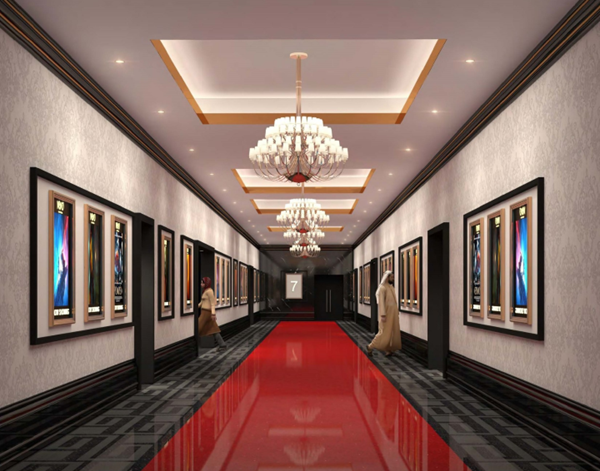
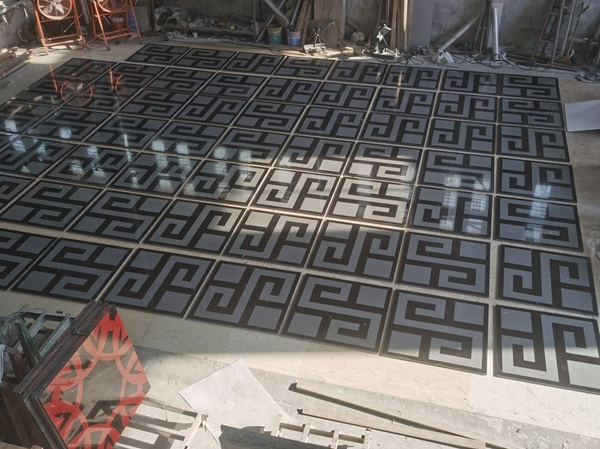
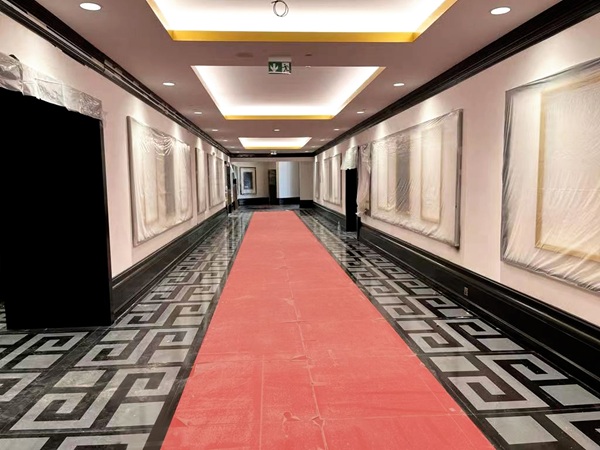
The Qatar Vendome Mall project showcases opulent commercial interiors featuring intricate, custom-fabricated stone flooring with bold geometric patterns that define the grand architectural identity of this Middle Eastern landmark.
Staircases
A staircase often serves as both a circulation element and an architectural centerpiece. Material selection influences safety, visual continuity, and the overall perception of craftsmanship.
Marble is widely specified for grand staircases in luxury residences, hotels, and commercial developments because it creates a sophisticated appearance that complements premium interiors. Terrazzo offers an excellent alternative for public buildings where durability and long-term performance are key priorities.
Designers should also evaluate surface finishes, edge profiles, and slip resistance to ensure the staircase delivers both visual appeal and user comfort throughout its service life.
Kitchen Countertops
Modern kitchens require surfaces that integrate seamlessly with cabinetry, lighting, and interior finishes while supporting everyday functionality. Residential villas, serviced apartments, hospitality suites, and luxury residences often place significant emphasis on countertop design.
Quartz has become one of the most popular countertop materials because it combines a refined appearance with exceptional design consistency. Available in a wide range of colors and marble-inspired patterns, quartz complements both contemporary and classic interiors. Large slab sizes allow designers to minimize visible joints, creating clean and elegant work surfaces that contribute to a sophisticated kitchen environment.
Bathroom Vanity Tops
Bathrooms are increasingly designed as wellness spaces where materials contribute to a calm and luxurious atmosphere. Vanity tops play an important role because they combine visual prominence with everyday functionality.
Quartz is frequently specified for bathroom vanity tops due to its consistent appearance and broad selection of colors and finishes. Designers can coordinate vanity surfaces across multiple bathrooms while maintaining a unified aesthetic throughout the project.
Marble remains a preferred option for luxury suites, boutique hotels, and high-end residences where natural stone enhances the sense of exclusivity. The final selection should align with the project's design language, maintenance expectations, and overall material palette.
Furniture Surfaces
Stone is no longer limited to architectural elements. It has become an integral part of custom furniture design, allowing designers to create distinctive pieces that reinforce the identity of a space.
- Quartz is widely used for reception desks, workstations, shelving systems, dining tables, and custom cabinetry because it provides a consistent appearance across multiple components.
- Marble adds elegance to coffee tables, console tables, bar counters, and statement furniture, introducing natural variation that enhances each piece.
- Flexible stone expands design possibilities by wrapping cabinet fronts, display units, and curved furniture with a genuine stone texture while maintaining a lightweight structure.
Combining these materials enables designers to develop cohesive interiors where architectural finishes and bespoke furniture share the same design language.
Exterior Stone Solutions by Application Area
Exterior spaces create the first visual impression of a building and establish a connection between architecture and the surrounding environment. Designers must consider aesthetics alongside environmental conditions, construction methods, and long-term durability when specifying materials for outdoor applications. In the Middle East, intense sunlight, high temperatures, wind-blown sand, and occasional moisture place additional demands on exterior finishes. Selecting the appropriate stone for each application allows projects to maintain their visual appeal while supporting reliable performance throughout their service life.
Building Facades
The building façade communicates the architectural identity of a project long before visitors enter the space. Flexible stone has become an increasingly attractive façade material because it combines the appearance of natural stone with a lightweight construction system. Its flexibility allows designers to incorporate curved elevations, decorative architectural details, and large continuous surfaces without adding significant structural weight.
Exterior Walls and Landscape Features
Garden walls, entrance features, boundary walls, and landscape structures contribute to the overall experience of outdoor spaces. These elements often provide continuity between architecture and landscape design while creating visual depth throughout the project.
Flexible stone performs particularly well on landscape walls because it adapts easily to curved forms and irregular surfaces. Its natural texture complements planting schemes, water features, and outdoor lighting, allowing designers to create seamless transitions between built structures and landscaped areas. Marble can be introduced selectively for feature walls, entrance monuments, or sculptural elements where a stronger architectural statement is desired.
Outdoor Flooring
Outdoor paving must accommodate continuous pedestrian traffic while maintaining visual consistency across plazas, courtyards, walkways, and hospitality terraces. Surface texture, durability, and maintenance requirements all influence material selection.
Terrazzo is widely specified for commercial outdoor spaces due to its strength, design flexibility, and ability to support large-format paving layouts. Designers can customize aggregate combinations and color palettes to complement surrounding architecture and landscape elements.
Natural marble is also used in premium developments where carefully selected finishes enhance the outdoor environment while maintaining an elegant appearance.
Swimming Pool Areas
Swimming pools have become defining features of luxury hotels, resorts, wellness centers, and private villas. The surrounding materials should contribute to a relaxing atmosphere while performing reliably in environments exposed to water, sunlight, and frequent use.
Terrazzo offers excellent design flexibility for pool decks, surrounding walkways, and recreational spaces. Its broad range of colors and finishes enables designers to coordinate outdoor amenities with the overall architectural concept.
Courtyards and Garden Spaces
Courtyards remain a defining element of Middle Eastern architecture, providing shaded gathering areas that connect indoor and outdoor living. Stone surfaces play a significant role in establishing the atmosphere of these spaces through texture, color, and material composition.
Marble introduces elegance to central courtyards, fountains, and seating areas, making it a popular choice for luxury residences and hospitality projects. Flexible stone complements garden walls, planter surrounds, and architectural screens where lightweight installation and natural stone aesthetics are equally important.
Outdoor Decorative Structures
Architectural features such as columns, sculptural walls, pergolas, entrance portals, and artistic installations often become focal points within exterior environments. These elements allow designers to express creativity while reinforcing the overall identity of the project.
Flexible stone provides exceptional versatility for decorative structures because it conforms to curved surfaces, complex geometries, and customized forms with ease. Designers can achieve natural stone textures on columns, arches, display walls, and feature installations without the limitations associated with conventional stone slabs.
Choosing the Right Stone Material for Different Design Styles
Stone is more than a finishing material. It defines atmosphere, enhances spatial identity, and strengthens the relationship between architecture and interior design. Luxury projects rarely depend on a single stone throughout the development. Combining different materials creates depth, variation, and functional balance.
Marble may become the visual centerpiece of a lobby; quartz can provide consistency throughout guest rooms; terrazzo can bring rhythm to public circulation areas; and flexible stone can introduce texture to architectural features. Selecting materials according to design style helps create cohesive environments while allowing each stone to perform where it delivers the greatest value.
Modern Minimalist Interiors
Minimalist interiors emphasize simplicity, clean geometry, and carefully controlled material palettes. Every finish should contribute to a sense of order while allowing light, proportion, and architectural details to become the primary design elements.
Quartz is particularly well suited to this style because of its consistent appearance and refined surface quality. Large-format slabs create uninterrupted visual lines across kitchen islands, vanity tops, and wall panels. Flexible stone can introduce subtle texture to feature walls or ceilings, adding warmth without distracting from the overall composition. Neutral colors and restrained patterns help create interiors that feel calm, contemporary, and timeless.
Contemporary Luxury Hospitality
Luxury hospitality projects seek to create memorable experiences through carefully curated materials and architectural details. Guests often associate premium spaces with natural textures, rich finishes, and refined craftsmanship.
Marble remains one of the defining materials for hotel lobbies, reception areas, executive lounges, and signature suites. Its distinctive veining gives every installation an individual character. Quartz complements marble by providing consistent surfaces for guest room vanity tops, restaurant countertops, and custom furniture. Together, these materials establish a sophisticated interior language that balances elegance with practical project execution.
Commercial and Mixed-Use Spaces
Commercial environments require materials capable of supporting continuous public use while maintaining a polished appearance. Office buildings, retail destinations, airports, and mixed-use developments often demand finishes that combine durability with design flexibility.
Terrazzo is widely specified for flooring because it performs well in high-traffic environments and offers extensive opportunities for customized colors and aggregate combinations. Quartz integrates naturally into reception desks, meeting areas, cafés, and collaborative workspaces, creating a consistent visual identity across different functional zones. This combination allows designers to develop commercial interiors that remain welcoming, durable, and easy to coordinate.
Natural and Organic Design
Natural design focuses on creating environments that foster comfort and a closer connection to nature. Stone plays an important role in this approach by introducing authentic textures and tactile surfaces that complement wood, metal, glass, and planting elements.
Flexible stone supports this design philosophy through its natural appearance and its ability to wrap around curved walls, columns, and other architectural features. Marble contributes depth and visual richness to statement areas such as fireplaces, feature walls, and entrance spaces. Earth-toned palettes, textured finishes, and carefully balanced lighting help create interiors that feel warm, relaxed, and connected to their surroundings.
Frequently Asked Questions
What is the best stone material for luxury interior design?
There is no single material that suits every luxury project. Marble is widely specified for feature walls, grand staircases, and statement spaces because of its natural elegance. Quartz is commonly selected for kitchen countertops, vanity tops, and custom furniture where design consistency and practicality are important. Terrazzo performs well in large commercial interiors, while flexible stone offers creative possibilities for lightweight architectural features and curved surfaces.
Which stone is most suitable for interior walls?
The ideal material depends on the design concept and installation requirements. Marble creates a premium visual impact for feature walls, while flexible stone is an excellent choice for textured surfaces, curved walls, and renovation projects due to its lightweight construction. Quartz panels can also be incorporated into contemporary interiors that require a clean and consistent appearance.
Can flexible stone be used for exterior applications?
Yes. Flexible stone is suitable for a variety of exterior applications, including façades, landscape walls, entrance features, decorative columns, and architectural details. Its lightweight structure and installation flexibility make it particularly suitable for projects involving curved surfaces or complex building forms.
Why is quartz widely used for kitchen countertops and vanity tops?
Quartz combines a refined appearance with consistent color, pattern, and surface quality. It is available in a broad range of designs that complement both modern and classic interiors, making it a popular specification for residential kitchens, hotel bathrooms, serviced apartments, and commercial hospitality projects.
Is marble still a preferred material for luxury hospitality projects?
Absolutely. Marble remains one of the defining materials in luxury hotels, branded residences, and premium commercial developments. It is frequently specified for reception areas, feature walls, staircases, lift lobbies, and executive spaces where natural veining contributes to a distinctive architectural identity.
Where does terrazzo perform best?
Terrazzo is particularly well suited to large public spaces such as hotel corridors, shopping centers, airports, office buildings, educational facilities, and healthcare projects. Its durability, design flexibility, and wide range of aggregate combinations allow designers to create customized flooring solutions for high-traffic environments.
Can multiple stone materials be combined within one project?
Yes. Combining different stone materials is a common design strategy in luxury architecture. Marble may define key focal areas, quartz can provide consistency across functional spaces, terrazzo supports public circulation zones, and flexible stone introduces lightweight decorative elements. This approach allows each material to perform according to its strengths while creating a cohesive design language.
What factors should designers consider when selecting stone materials?
Material selection should consider the intended application, design style, expected traffic levels, maintenance requirements, fabrication methods, installation conditions, and overall project budget. Environmental conditions are also important for exterior applications, particularly in regions with high temperatures and strong sunlight such as the Middle East.
How do stone materials contribute to sustainable architecture?
Stone materials support sustainable design through long service life, timeless aesthetics, and reduced replacement frequency. Products manufactured under internationally recognized quality management systems and supported by certifications such as CE, NSF, and ISO can also contribute to responsible material specification and green building objectives.
How can designers simplify stone specification for large projects?
Early collaboration with an experienced stone solution provider can improve project coordination from concept development through installation. Material consultation, sample evaluation, CAD deepening, custom fabrication, engineering support, and logistics planning help ensure that design concepts are accurately translated into completed architectural spaces while improving overall project efficiency.