

How to Make Money with Flexible Stone: A Business Opportunity for Stone Distributors
Stone distributors face a familiar challenge. Mature categories invite constant price comparison, similar product offerings from multiple suppliers, and limited room for meaningful differentiation. Adding one more conventional stone line rarely creates a distinct profit pool. The next profitable stone product may not be another marble, quartz or granite collection,but flexible stone, a new material category that is still entering many local markets.
The opportunity is not simply to sell Flexible Stone. It is to establish a position in an emerging architectural material category before local competition catches up. This article examines the market opportunity, the profit model, customer acquisition approaches, distributor strategy, supplier selection criteria, and the regional partnership path that turns a new material into a durable business channel.
Why Flexible Stone Is a New Business Opportunity
Traditional Stone Is a Mature Market
Marble, granite and conventional stone categories have reached maturity in most regional markets. Multiple suppliers offer comparable collections. Buyers can compare prices with relative ease. Differentiation becomes harder as product ranges converge. For distributors, the result is familiar pressure on margins and slower growth from incremental product additions. Selling more of the same products does not necessarily create a new profit pool. Growth in these categories often depends on volume, competitive pricing and existing relationships rather than material novelty.
Flexible Stone Represents a New Category
Flexible Stone is not simply another stone finish. It gives distributors an opportunity to introduce a relatively new material category into their local market. The material combines the visual character of natural stone with lightness, flexibility and application methods that open different project types. For a distributor, this category status matters more than any single technical feature. It creates space to position the product as a distinct solution rather than a direct substitute that invites immediate price comparison.
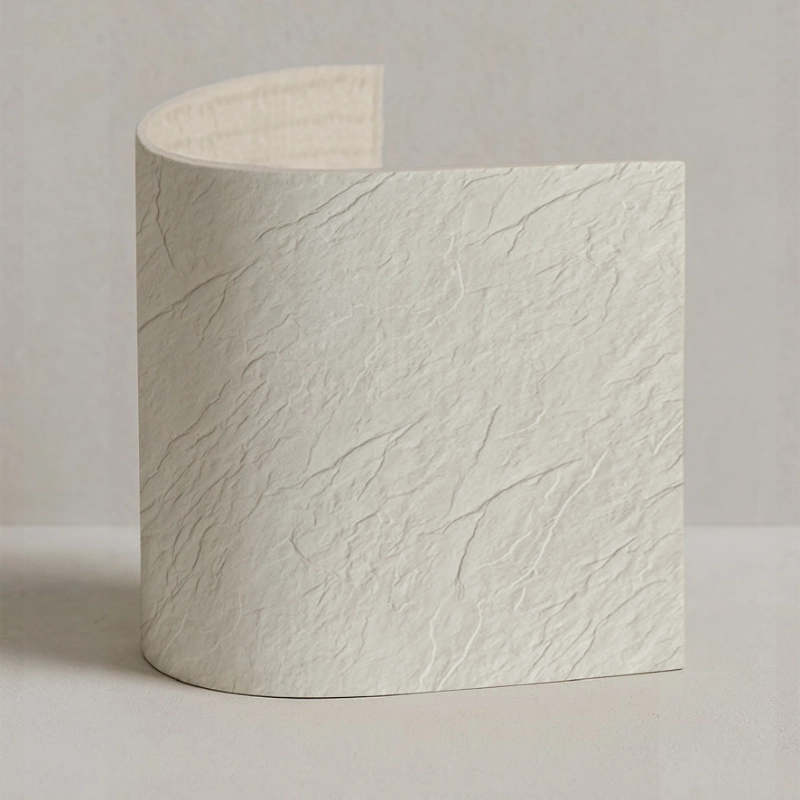
WAYON Flexible Stone MC404 Slate
Early Entry Creates a Distribution Advantage
The commercial sequence that matters is clear. A new category invites early market entry. Early entry supports customer education. Education produces project references. Project references strengthen the distribution position. This path differs from treating Flexible Stone as one more product to list in a catalogue. Distributors who treat the material as a category to develop, rather than a SKU to stock, build assets that later entrants must work harder to match.
Where Can the Profit Come From?
Profit in an emerging material category rests on several sources that differ from conventional stone trading. Understanding these sources helps distributors set realistic expectations and structure their approach.
1. Product Margin
Mature stone products often compete on price per slab or per square meter. New materials with differentiated appearance, new applications, design value and technical characteristics can support different pricing logic. When the product is specified for its unique contribution to a project, comparison becomes less purely transactional. Distributors gain room to establish product pricing that reflects the material's role rather than matching the lowest available conventional stone quote. Concrete margin figures vary by market, project type and local cost structure, so the practical focus remains on positioning rather than promised percentages.
2. Value-Based Project Pricing
The more valuable commercial path is selling a solution for a project rather than selling sheets. Designers who specify the material for commercial spaces, feature walls and distinctive interiors create demand that carries design and project value alongside material cost. Profit can therefore combine material value, design contribution and project scope. Distributors who engage at the specification stage, rather than only at the purchase order stage, participate in this broader value chain.
3. Repeat Wholesale Orders
Once Flexible Stone enters a local market through dealers, contractors, installers and designers, repeat purchasing becomes possible. A single successful project often generates follow-on demand from the same professional network. The long-term objective is therefore to build a recurring local supply channel. Initial sales create awareness. Consistent availability and support convert that awareness into ongoing wholesale flow.
4. Regional Distribution
The most significant commercial upgrade moves from occasional buyer to local distributor and then to regional market partner. The value of this progression lies in territorial market opportunity rather than in the price of any single container. A protected regional position allows the distributor to invest in education, samples and references with the expectation of capturing the resulting demand. This territorial logic turns product distribution into market development.
Why the Flexible Stone Market Has Room for Early Entrants
New Materials Are Driven by Changing Project Requirements
Architectural projects increasingly value lightweight materials, faster installation methods, renovation-friendly solutions and greater design flexibility. These requirements leave space for materials that serve applications traditional stone handles less efficiently. New architectural forms and the desire for material differentiation further expand the set of projects where a flexible, stone-like surface offers practical advantages. Distributors who track these project trends can identify demand that conventional collections do not fully address.
Flexible Stone Is Moving from Novelty to Commercial Application
Trade exhibitions and project references now place Flexible Stone among the innovative material categories presented to distributors, architects, designers and contractors. WAYON has highlighted the material in recent industry events. A material does not need to replace traditional stone to create a profitable market. It only needs to create applications that traditional materials serve less efficiently. This distinction keeps the commercial case grounded in complementary use rather than in displacement claims.

WAYON Flexible Stone for Interior Wall
The Market Is Still Open in Many Regions
In regions where local supply of Flexible Stone remains limited, early distributors have more room to educate customers, build references and establish channel relationships. The practical opportunity is local rather than abstract. Where the category is still sparsely represented, the first serious entrant can shape how architects and contractors encounter the material. That local positioning is the concrete advantage available to distributors who move before the category becomes crowded.
Who Should Enter the Flexible Stone Business?
The strongest candidates share practical assets rather than sheer size. Stone wholesalers already serve stone customers and can add a new material line without building an entirely new channel. Building material distributors with existing wall and architectural finish routes can introduce Flexible Stone to familiar professional buyers. Architectural material suppliers who maintain relationships with architects and designers are well placed to support specification. Stone importers with overseas procurement experience and local inventory capability can manage supply reliably. Regional building material dealers seeking differentiated offerings find a category that stands apart from commodity finishes.
The strongest candidates are not necessarily the largest distributors. They are distributors with local relationships, project access and a willingness to develop a new category. Those three factors determine whether early effort converts into lasting channel strength.
How to Build a Flexible Stone Business Before the Market Gets Crowded
A practical first-mover playbook keeps the focus on market development rather than on inventory volume alone.
Step 1: Identify Your Local Market Gap
Survey local availability of flexible architectural materials, MCM or soft stone options and lightweight stone alternatives. Gaps in supply and limited professional awareness indicate space for an early entrant to shape the category conversation.
Step 2: Start with a Focused Product Collection
A commercially attractive starter collection is more effective than an exhaustive range. A focused set of designs and finishes supports clear messaging, manageable sampling and faster project matching. Expansion can follow once the initial range demonstrates traction.
Step 3: Target Project Influencers
Priority contact sequences begin with architects and designers, then move to contractors and secondary distributors. Influencers who specify materials create demand that installers and end clients later fulfill. Direct consumer marketing plays a smaller role in the early stages of category development.
Step 4: Build Demonstration Projects
Clients need to see the material in real applications. Demonstration projects, sample walls and completed reference sites communicate performance and aesthetics more effectively than catalogues alone. Visible installations accelerate confidence among subsequent buyers.
Step 5: Secure Your Distribution Position
Once market response validates the opportunity, the natural next step is to move from occasional importer to regional distributor. Formalising the territorial relationship protects the investment already made in education and references and positions the business for sustained growth with the category.
What to Look for in a Flexible Stone Manufacturer
Supplier selection directly affects a distributor's ability to generate repeat business. A capable manufacturer provides stable product quality, consistent colors and textures, reliable production capacity, competitive factory pricing, customization capability, export experience, technical and project support, and long-term supply stability. These factors matter more than any single quoted price. A distributor's profit is not determined only by purchase price. Supply stability, product consistency and project support directly affect the ability to win repeat orders and maintain professional confidence among architects and contractors.
Why Partner with WAYON for Flexible Stone Distribution?
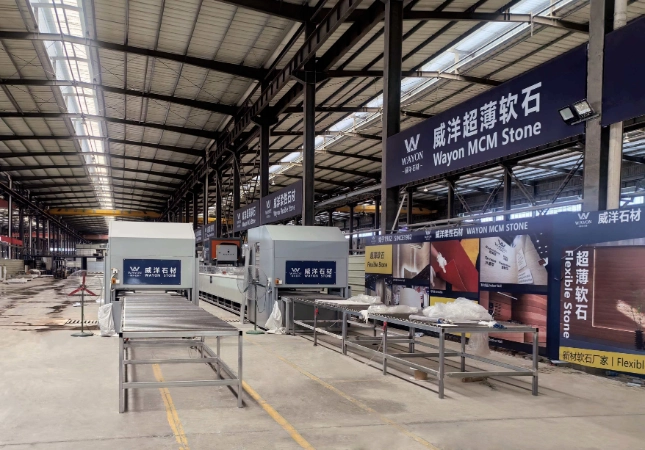
WAYON positions Flexible Stone as one of its highlighted innovative material categories, giving distributors a clear new-material story rather than an incremental product line. Factory-direct supply reduces intermediate trading layers and supports more competitive landed costs. More than four decades of stone manufacturing experience mean Flexible Stone sits inside an established production system rather than as an isolated experiment. Multiple designs and customisation options help distributors shape local collections that match regional preferences. Wholesale and export support are already structured for international partners, including the documentation and logistics experience required for reliable cross-border supply.
Flexible Stone remains an emerging product category in many markets. The opportunity is not simply to buy it. It is to establish a local position for it. One region, one distributor. The earlier a qualified partner enters, the more time exists to build customers, projects and market awareness before competitors fill the same space.
WAYON welcomes qualified stone distributors and building material wholesalers to discuss Flexible Stone wholesale and regional distribution opportunities. Contact WAYON to explore whether your market is available for a regional partnership.
Frequently Asked Questions
1. Is Flexible Stone a profitable business opportunity?
Profitability depends on market positioning, differentiation from mature stone categories, the ability to capture project-level value, and reliable sourcing. Distributors who treat the material as a category to develop, engage specification channels, and secure stable supply can build recurring wholesale demand. Fixed margin percentages cannot be promised because results vary by region, project mix and local cost structure. The commercial case rests on category positioning and channel development rather than on a single price advantage.
2. Who can become a Flexible Stone distributor?
Suitable candidates include stone wholesalers, building material distributors, architectural material suppliers, stone importers and regional building material dealers. The most effective partners combine local professional relationships, access to projects, and readiness to develop a new material category. Size alone is less decisive than these operational strengths.
3. Is it too early to invest in Flexible Stone?
Early entry can be an advantage when a material is moving from emerging product to broader commercial adoption. In regions where local supply remains limited, first movers have more room to educate the market, accumulate project references and establish channel relationships before competition intensifies. Timing therefore favours distributors prepared to develop demand rather than those waiting for a fully mature category.
4. How can I become a Flexible Stone distributor in my region?
Qualified distributors and wholesalers can contact WAYON to discuss wholesale supply and regional partnership options. The process typically includes a review of the local market, alignment on product range and support requirements, and discussion of territorial arrangements where available. Direct communication with the manufacturer starts the evaluation of whether a regional opportunity exists.
5. Does WAYON offer regional Flexible Stone distribution?
WAYON welcomes qualified wholesale and distribution partners and can discuss regional cooperation based on market conditions and partnership requirements. The preferred model supports one strong regional partner rather than unrestricted multi-distributor coverage, allowing the selected partner to invest in market development with clearer territorial clarity.