

How to Make Money with Zero-Silica Quartz: A Business Guide for Stone Wholesalers
The traditional countertop materials market has reached a mature stage. Stone wholesalers now operate in an environment defined by intense competition among engineered marble lines, widespread product similarity in granite offerings, and sustained price pressure that steadily compresses margins. Differentiation grows harder with each passing season, while after-sales issues and project risks continue to erode long-term profitability. At the same time, high-end clients place increasing weight on material selection and future compliance expectations.
Zero-Silica Quartz gives wholesalers a practical path to move from commodity stone supply toward differentiated, premium countertop materials. This guide examines where the profit opportunity comes from, who is best positioned to sell the material, which customer groups to prioritize, how to position the product, how to structure a profitable product line, and how to select a manufacturing partner that supports long-term wholesale success.
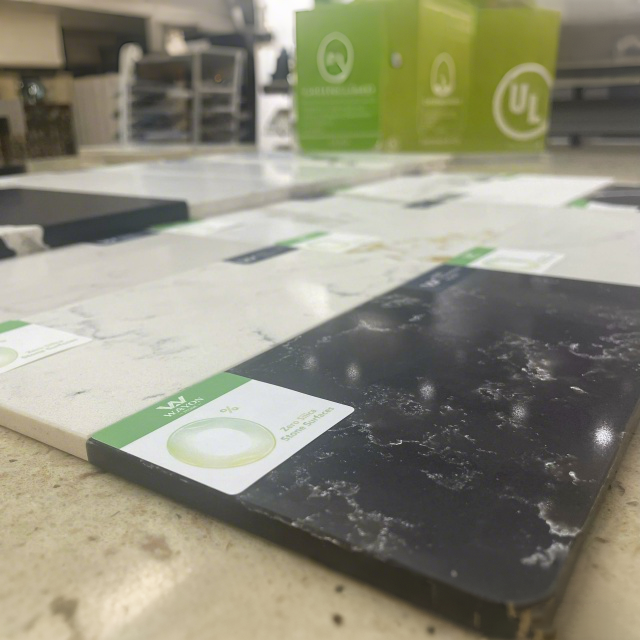
Why Traditional Countertop Materials Are Becoming a Tougher Business
Understanding the current commercial pressure helps clarify why a new material category can open fresh room for growth. The point is not to criticize established stone products. It is to recognize the structural limits that mature categories place on margin expansion.
Mature markets create price pressure
Engineered marble, granite and similar countertop materials have long histories in most regional markets. Buyers routinely compare specifications, request quotations from multiple sources and settle on price. Wholesalers respond by increasing volume, yet the resulting margin growth often remains limited. The commercial pattern becomes familiar: higher turnover paired with constrained profitability.
Product differentiation is harder
Common colors, familiar patterns and similar technical specifications appear across many competing suppliers. When product ranges converge, it becomes difficult to justify a premium simply on the basis of visual difference. Wholesalers find themselves competing within a crowded field where unique selling points are scarce.
The market is moving toward future-ready materials
Contractors, fabricators, designers and end customers increasingly seek materials that align with evolving environmental and workplace expectations. The commercial opportunity lies in offering a material positioned for where the market is heading, not only where it has been. Zero-Silica Quartz sits within that shift.
Where the Profit Comes From in Zero-Silica Quartz
Profit potential rests on value-based margin rather than simple volume growth. The commercial logic differs from the commodity pricing cycle that dominates mature stone categories.
1. Move beyond commodity pricing
Traditional trading often follows a clear sequence: slab presentation, price comparison, discount negotiation and volume commitment. Zero-Silica Quartz supports a different sequence. Differentiated material performance, design character and future-ready positioning enable value-based selling. Comparison shifts from pure price toward the contribution the material makes to a project.
2. Sell premium countertop applications
The strongest demand appears in luxury residential kitchens, premium bathrooms, hospitality interiors, commercial fit-outs and high-end developments. Selling the application rather than the slab alone creates room for higher realized value. Fabricators and project teams specify the material because it fits a design brief and performance expectation, not because it is the lowest-priced option available.
3. Create a differentiated product portfolio
Wholesalers can present Zero-Silica Quartz as a Premium or Future-ready Countertop Collection. This framing elevates the material above a simple addition to an existing quartz SKU list. It signals a deliberate category expansion rather than an incremental product update.
4. Build repeat project demand
Once fabricators, kitchen companies and contractors adopt a stable material system, ongoing procurement follows. The commercial sequence runs from first project to specification, then to repeat orders and long-term supply relationships. This pattern answers a core need of local fabricators and project teams for consistent, reliable material sources.
Who Should Sell Zero-Silica Quartz?
A practical business-fit assessment helps identify the strongest candidates for this product category.
Stone wholesalers already hold slab inventory, fabricator relationships and contractor networks. They can introduce a new premium line without rebuilding their entire commercial structure. Countertop material traders who currently handle quartz, marble, granite and engineered stone can use Zero-Silica Quartz as a product upgrade that refreshes their portfolio. Building material distributors with access to architects, interior designers and developers gain a route into design-driven projects. Importers who already manage overseas sourcing and local warehousing are well placed to establish a regional product line.
If your business already sells countertop materials, you do not need to build a new business from scratch. You can upgrade the business you already have.
5 Markets Where Zero-Silica Quartz Can Create Long-Term Demand
Long-term demand grows from matching the right material to the right buyer groups across recurring project types.
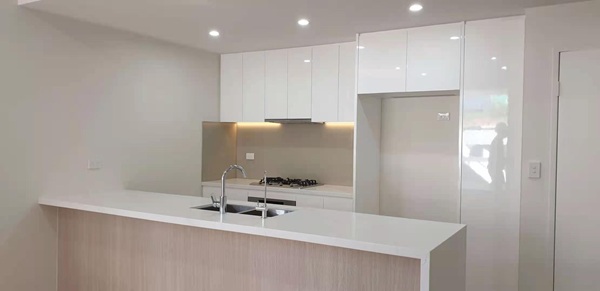
1. Kitchen Countertops
Buyers include fabricators, kitchen companies and homeowners. High-end residential kitchens remain a core volume driver. Consistent appearance and performance support both single-home projects and multi-unit developments.
2. Bathroom Vanities
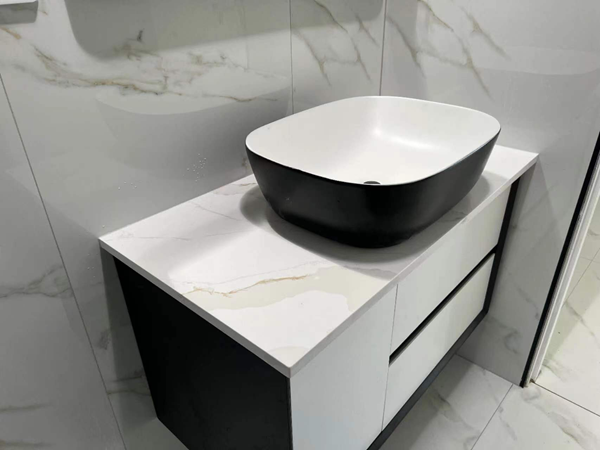
Contractors, bathroom suppliers and developers form the primary buyer group. Residential renovations and hotel projects generate steady, repeatable demand for vanity tops and related surfaces.
3. Hospitality Projects
Hotels, restaurants and developers value design character, supply stability and material positioning that supports brand standards. Large-scale projects reward suppliers who can deliver consistent batches on schedule.
4. High-End Residential Developments
Developers, builders and interior designers seek materials that satisfy both design requirements and bulk procurement needs. Specification at the development stage creates multi-unit demand from a single decision point.
5. Commercial Interior Projects
Offices, retail spaces and public interiors involve contractors, designers and commercial developers. These projects often require durable surfaces with controlled appearance across large areas. The long-term opportunity is not a single countertop sale. It is becoming a material supplier for multiple recurring project types.
Why Design Matters When Selling Premium Zero-Silica Quartz
Technical performance alone rarely wins specification. Designers evaluate color, pattern, surface character, batch consistency and overall project aesthetics. A slab that looks compelling can secure the first specification. A product that delivers consistent appearance across successive orders earns the repeat business that sustains wholesale relationships.
Design creates demand. Consistency creates repeat business. Manufacturers that invest in innovative designs, stable color development and reliable production support design-led projects more effectively. WAYON’s approach to color development and production control aligns with these requirements, giving wholesalers a collection that designers can specify with confidence.
How Product Stability Protects Your Business
Wholesalers carry commercial risk that extends beyond the individual order. Customer expectations, project deadlines and the need for reliable replacement material all rest on product consistency. Inconsistent appearance, quality variation, difficult replacement or unstable supply can damage more than a single transaction. Customer relationships, project reputation and future order flow are all at stake.
Product stability functions as a business asset rather than a mere manufacturing specification. Decades of manufacturing experience matter because consistent production is especially important for wholesale and project supply. A partner with more than forty years of stone manufacturing experience brings process discipline that protects both the wholesaler’s margin and the fabricator’s project outcomes.
How to Build a Profitable Zero-Silica Quartz Product Line
A structured portfolio approach turns a new material into a coherent product category rather than a scattered set of SKUs.
Tier 1: Core Collection
This tier serves the broader high-end residential market with neutral colors, popular patterns and versatile designs. These selections support everyday premium kitchen and bathroom work and form the volume foundation of the line.
Tier 2: Designer Collection
Architects, interior designers and premium residential projects respond to distinctive colors and patterns. This tier differentiates the wholesaler’s offering and supports higher-value specifications.
Tier 3: Project Collection
Hotels, developers and commercial projects prioritize stable supply, consistent appearance and the ability to fulfill large quantities. A dedicated project collection addresses these requirements directly. The result is a complete product category rather than an isolated set of slabs.
How to Choose a Zero-Silica Quartz Manufacturer
Supplier selection for wholesale success differs from ordinary product sourcing. The Wholesale Supplier Scorecard below highlights factors that directly affect margin protection and project reliability.
|
Factor |
Why It Matters |
|
Manufacturing experience |
Supports stable, repeatable production |
|
Color consistency |
Enables repeat project orders |
|
Product performance |
Reduces quality-related concerns |
|
Design development |
Strengthens designer appeal |
|
Production capacity |
Handles large project volumes |
|
Price competitiveness |
Protects healthy wholesale margins |
|
Export experience |
Ensures reliable international supply |
|
Product range |
Creates cross-selling opportunities |
For wholesalers, the lowest-priced slab is not automatically the most profitable product. The stronger choice combines competitive sourcing cost, reliable quality, attractive design and clear potential for repeat project business.
Why Source Zero-Silica Quartz from a 40+ Year Chinese Manufacturer?
The manufacturer’s capability directly influences the wholesaler’s margin and customer outcomes. WAYON supports wholesalers with more than forty years of stone manufacturing experience, stable factory production, Zero-Silica Quartz capability, innovative designs, consistent colors and patterns, competitive factory pricing, a broad range of stone categories, and proven wholesale and project supply capacity.
Competitive factory pricing helps protect your margin. Stable manufacturing helps protect your customers. Product innovation helps protect your market position.
FAQ
1. Is Zero-Silica Quartz profitable for wholesalers?
Profitability depends on product positioning, competitive sourcing cost, project-level demand and the ability to generate repeat orders. When the material is sold as a differentiated premium option rather than a commodity slab, the commercial structure supports healthier margins.
2. Who buys Zero-Silica Quartz?
Primary buyers include stone fabricators, countertop companies, contractors, developers, designers and building-material distributors who serve residential and commercial projects.
3. Can Zero-Silica Quartz replace traditional countertop materials?
It can serve as a premium alternative within a broader countertop portfolio. Many wholesalers introduce it alongside existing lines so that customers gain choice rather than facing an either-or decision.
4. What should wholesalers look for in a Zero-Silica Quartz supplier?
Key criteria include manufacturing experience, color consistency, product performance, design capability, production capacity, competitive pricing, export reliability and a useful product range. These factors together support both margin and long-term project relationships.
5. Is Zero-Silica Quartz a future-proof product for stone distributors?
Adding future-oriented materials helps distributors prepare for evolving market expectations while differentiating their product portfolio. The category supports both current project needs and longer-term positioning.
Conclusion
The largest opportunity is not selling one more type of quartz. It is moving a stone business into a more differentiated and future-ready segment. Mature materials face intense price competition. Zero-Silica Quartz opens a path to premium product positioning. Designer recognition supports project adoption. Fabricator continuity generates long-term orders.
WAYON combines more than forty years of stone manufacturing experience with stable production, innovative designs and competitive factory pricing. If you are looking to introduce Zero-Silica Quartz to your local market, contact WAYON to discuss wholesale and long-term supply opportunities.