

Terrazzo vs Porcelain: Which Is Better for Commercial Flooring?
Terrazzo and porcelain are both established choices for commercial flooring, with each offering distinct advantages at different stages of a building's lifecycle. Terrazzo can create a continuous architectural surface with strong design identity and long-term refinishing potential. Porcelain provides a modular format, extensive design options, and practical flexibility for phased projects and localized replacement.
The better choice depends on how the flooring will be used, installed, maintained, and managed over time. This guide compares terrazzo and porcelain from a commercial project perspective, focusing on the factors that have the greatest impact on long-term value.
Terrazzo and Porcelain Solve Different Commercial Flooring Problems
Terrazzo and porcelain serve different roles in commercial flooring design. The choice becomes clearer when the project is evaluated through its functional priorities instead of material characteristics alone.
Terrazzo works particularly well when flooring is part of the architectural identity. Its continuous appearance, customizable colors and aggregate combinations can create a distinctive visual language across large areas. This makes it valuable for corporate headquarters, luxury retail spaces, hospitality interiors, transportation facilities, and other projects where the floor contributes directly to the overall design concept.

WAYON WT102 Summit Beige Terrazzo
Porcelain offers greater modular flexibility. Individual tiles can be specified, installed, replaced, or combined with different formats according to the requirements of each space. This makes porcelain practical for projects involving multiple rooms, phased renovations, or areas with different functional requirements.
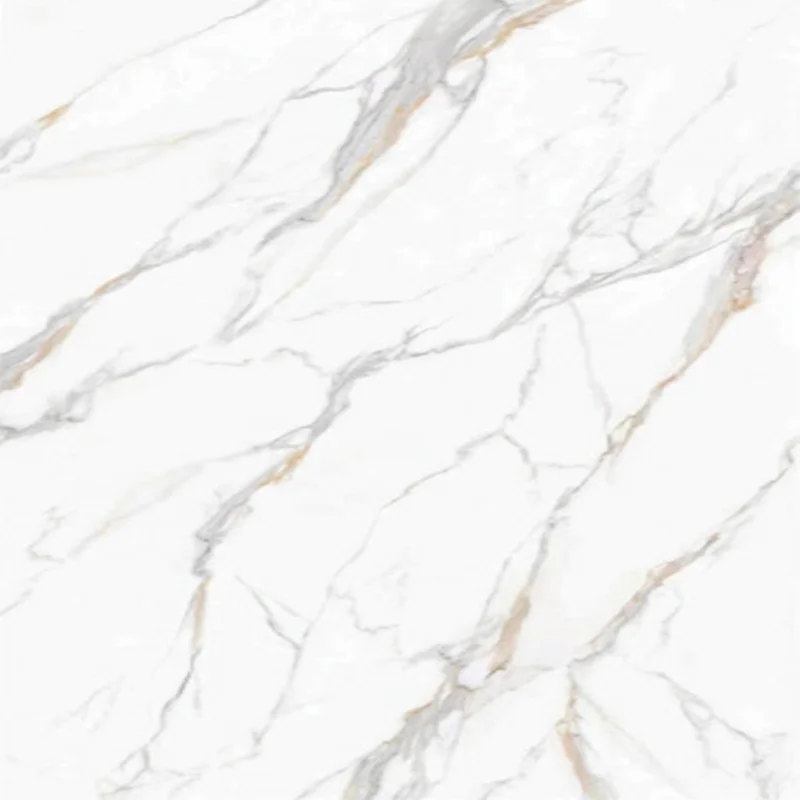
WAYON WR666 BVLGARI BLACK porcelain slab
The distinction can be summarized through the project priorities. Terrazzo is well suited to projects emphasizing visual continuity, customization, and long-term architectural character. Porcelain is a strong choice when modularity, specification flexibility, and localized replacement are key considerations.
The 7 Factors That Actually Matter
Commercial flooring decisions should be based on how a material fits the project's full life cycle. Seven factors provide a practical basis for comparing terrazzo and porcelain.
|
Factor |
Terrazzo |
Porcelain |
|
Traffic performance |
Excellent |
Excellent |
|
Visual continuity |
Excellent |
Good |
|
Design customization |
Excellent |
Good |
|
Modular replacement |
Limited |
Excellent |
|
Routine maintenance |
Low |
Low |
|
Installation flexibility |
Moderate |
Excellent |
|
Lifecycle value |
Strong |
Strong |
These factors cover the areas that have the greatest influence on commercial flooring decisions. Traffic and maintenance determine everyday performance, while design and visual continuity shape the finished environment. Installation flexibility, repair options, and life cycle value become increasingly important when planning renovation, long-term operation, and future maintenance.
The following sections examine these factors in greater detail and show how project conditions can influence the preferred flooring solution.
Durability Is Not the Same as Operational Resilience
Durability describes how well a floor withstands physical wear over time. Commercial performance also depends on how effectively the flooring responds to the realities of daily operation. Traffic intensity, cleaning frequency, rolling loads, localized damage, and maintenance access can all influence the practical value of a flooring system.
Terrazzo performs strongly in demanding environments where continuous foot traffic is expected. Its dense, durable surface can support long service periods, while suitable terrazzo systems can be refinished to renew the surface as the building ages. This characteristic is particularly valuable across large areas where consistent appearance matters.
Porcelain offers a different form of resilience. Its dense surface provides strong resistance to wear, staining, and everyday use, while its modular format allows individual units to be replaced when localized damage occurs.
The distinction is therefore linked to the building's operating model. Terrazzo supports long-term surface renewal across broad areas, while porcelain provides greater flexibility for localized intervention. Both can deliver reliable commercial performance when the specification matches the traffic conditions and maintenance strategy.
Maintenance and Repair: Where the Two Flooring Systems Really Diverge
Routine maintenance for both terrazzo and porcelain can be relatively straightforward when the appropriate cleaning procedures are followed. The greater difference appears when a commercial floor requires periodic treatment or repair.
Terrazzo can maintain its appearance through professional cleaning, polishing, and refinishing, depending on the specific system and surface condition. These procedures can refresh extensive floor areas while preserving a consistent visual character. For large commercial interiors, this creates a practical way to manage surface aging as part of long-term facility maintenance.
Porcelain generally relies on routine cleaning combined with grout care and localized replacement when individual tiles become damaged. Since the floor consists of separate units, maintenance teams can address specific areas without treating the entire surface.
This creates two distinct maintenance strategies. Terrazzo favors long-term surface renewal, while porcelain favors localized replacement. The better approach depends on facility management priorities, available maintenance resources, and the importance of keeping adjacent areas in continuous operation. For projects with demanding schedules, repair access and potential downtime should be considered during specification, not after installation.
Installation Strategy Can Change the Better Choice
Installation requirements influence both project scheduling and the way a commercial space can be brought into service. Material selection should therefore reflect the construction method, project timeline, and level of disruption that the building can accommodate.
Terrazzo is particularly suitable for new construction and large floor areas where the flooring system can be incorporated into the project schedule from an early stage. Proper substrate preparation, installation sequencing, curing, and finishing require coordinated planning and skilled execution. Once completed, the continuous surface can support a cohesive architectural concept across extensive areas.
Porcelain provides greater flexibility for projects that involve phased construction or renovation within occupied buildings. Its modular format allows different areas to be installed according to the project schedule, with specific sizes and finishes selected for individual spaces.
For this reason, project delivery strategy can influence the preferred material as much as floor performance. Large-scale projects with an integrated construction schedule may benefit from terrazzo's continuous format, while refurbishment programs with multiple phases can gain practical flexibility from porcelain's modular installation.
Which Material Gives Commercial Designers More Freedom?
Design flexibility involves more than the number of colors or patterns available. Commercial designers also need to consider how effectively a flooring material can establish a consistent visual identity across an entire project.
Terrazzo offers strong opportunities for customization through aggregate selection, color composition, aggregate size, and pattern development. These elements can be coordinated with architectural finishes, corporate branding, circulation patterns, or interior concepts. The result is a floor that can become an integral part of the building's visual language.
Porcelain provides an extensive selection of established designs and surface effects. Stone, concrete, wood, and terrazzo-inspired finishes allow designers to coordinate flooring with different interior styles. Multiple formats and surface finishes also make it easier to specify different areas within the same project.
The distinction can be expressed simply: porcelain maximizes design variety, while terrazzo maximizes design ownership. Porcelain gives designers access to a broad existing design library. Terrazzo provides greater scope for creating a distinctive surface specifically around the project's architectural concept.
Terrazzo vs Porcelain: Which One Has the Better Lifecycle Value?
Commercial flooring costs extend beyond the initial purchase. Material price, installation requirements, maintenance, repair, replacement, and potential operational disruption all contribute to the total financial impact over the life of a building.
Terrazzo can deliver strong lifecycle value when specified across large areas and maintained as a long-term surface system. Its service life and potential for professional refinishing can reduce the need for complete floor replacement as the building ages. The economic advantage becomes more relevant in projects designed for long-term occupancy and consistent architectural presentation.
Porcelain can offer practical financial advantages through its modular format and broad product availability. Individual tiles can be replaced when localized damage occurs, allowing maintenance teams to concentrate resources on specific areas. This approach can be particularly useful for commercial properties that undergo phased renovation or experience changing space requirements.
Operational disruption is another factor. A repair that requires closing a large area may carry costs beyond the flooring work itself. Evaluating initial investment, maintenance requirements, repair strategy, replacement needs, and potential downtime together provides a more realistic view of lifecycle value.
The Better Choice Depends on the Commercial Space
Different commercial environments place different demands on flooring, so the most suitable material can change with the project conditions.
|
Commercial Scenario |
Better Fit |
Main Reason |
|
Corporate headquarters lobby |
Terrazzo |
Strong architectural identity |
|
Large retail floor |
Terrazzo |
Consistent visual language |
|
Airport or public circulation area |
Terrazzo |
Long-term heavy-use performance |
|
Hotel renovation |
Porcelain |
Phased installation flexibility |
|
Restaurant with multiple zones |
Porcelain |
Modular specification and replacement |
|
Multi-room commercial renovation |
Porcelain |
Flexible formats and localized repair |
|
Premium flagship space |
Terrazzo |
Custom visual identity |
|
Fast-track refurbishment |
Porcelain |
Modular installation |
Terrazzo is especially compelling when a project emphasizes a unified design concept across substantial floor areas. Its customization potential also makes it suitable for spaces where flooring contributes to brand presentation and architectural character.
Porcelain becomes attractive when flexibility carries greater weight. Projects with multiple functional zones, staged construction, or localized maintenance requirements can benefit from its modular format and extensive range of specifications.
The most effective specification starts with the building's operational model, then identifies the flooring characteristics that support it.
How to Choose the Right Flooring for Your Commercial Project
Terrazzo and porcelain can both provide dependable performance in commercial environments, with their strengths becoming more apparent under different project conditions. Terrazzo is a strong fit for large areas where visual continuity, customization, and long-term architectural character are priorities. Porcelain offers greater modular flexibility for projects involving phased installation, multiple functional zones, or localized replacement.
The decision should therefore consider the entire flooring lifecycle, from specification and installation to maintenance and future repair. Traffic patterns, design objectives, project schedule, facility management practices, and lifecycle value can collectively determine the most suitable solution.
For commercial projects that require customized terrazzo with consistent quality and reliable technical performance, WAYON provides high-performance inorganic terrazzo solutions for architects, contractors, wholesalers, and project buyers. Discuss your project requirements with WAYON to explore suitable terrazzo specifications, colors, designs, and commercial applications.
FAQ
1. Is terrazzo suitable for high-traffic commercial flooring?
Yes. Terrazzo is well suited to commercial environments with sustained pedestrian traffic, including retail, hospitality, corporate, institutional, and public spaces. Its durable surface and potential for refinishing support long-term use when the system is properly specified and maintained.
2. Can porcelain tile be used for large commercial floors?
Yes. Porcelain can cover large commercial areas effectively, particularly when modular installation and flexible maintenance are important. Tile format, thickness, finish, substrate conditions, and expected traffic should be evaluated during specification.
3. Which flooring is easier to repair, terrazzo or porcelain?
Porcelain generally provides a simpler approach to localized replacement because individual tiles can be removed and replaced. Terrazzo repairs require more specialized workmanship, especially when matching the surrounding color and aggregate composition is important.
4. Does terrazzo require more maintenance than porcelain?
Both can support relatively manageable routine maintenance. Terrazzo may require periodic professional surface care depending on the system and usage conditions, while porcelain typically requires routine cleaning and grout maintenance.
5. Is porcelain a good choice for phased commercial renovations?
Yes. Its modular format makes porcelain practical for phased renovation programs. Different areas can be completed according to the construction schedule, while damaged units can be replaced individually when necessary.
6. Which flooring offers better long-term value for commercial buildings?
There is no universal answer. Terrazzo can provide strong lifecycle value through durability, visual continuity, and refinishing potential. Porcelain can provide value through modular replacement, specification flexibility, and efficient phased installation. The best option depends on the project's operating and maintenance strategy.